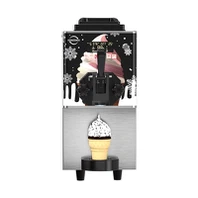


- Placement: The placement of the Mini Fridge is very important. Make sure to place it in a well-ventilated area away from heat and direct sunlight. It is best to place it in a place with stable room temperature to avoid temperature fluctuations.
- Avoid overloading: Do not overload a Mini Fridge to ensure free air circulation. Excessive food or items may block the flow of cold air, causing uneven temperature distribution.
- Zoned Storage: Use different areas of your Mini Fridge to store different types of food. Typically, the refrigerator is warmer than the freezer, so keep perishable foods in the refrigerator and frozen foods in the freezer.
- Maintenance temperature: Keep the Mini Fridge at about 2-4°C (35-40°F) and the freezer at about -18°C (0°F). Proper temperatures help keep food fresh and frozen.
- Be aware of food packaging: Use properly sealed containers or packaging to prevent odors from spreading and food from drying out. Make sure the packaging is not damaged to protect the food from air and moisture.
- Clean and defrost regularly: Clean your refrigerator and freezer regularly to prevent food debris and ice from accumulating. If your small refrigerator does not have an automatic defrost function, it will need to be defrosted manually on a regular basis.
- Pay attention to food safety: Avoid storing expired food in Mini Fridge. Regularly check the shelf life of food and remove expired food.
- Make sure after closing the door: Every time you open the Mini Fridge, make sure the door is fully closed. Doors that do not close completely may cause cold air to leak, affecting the temperature.